Teaching Kids to Make Their Own Breakfast
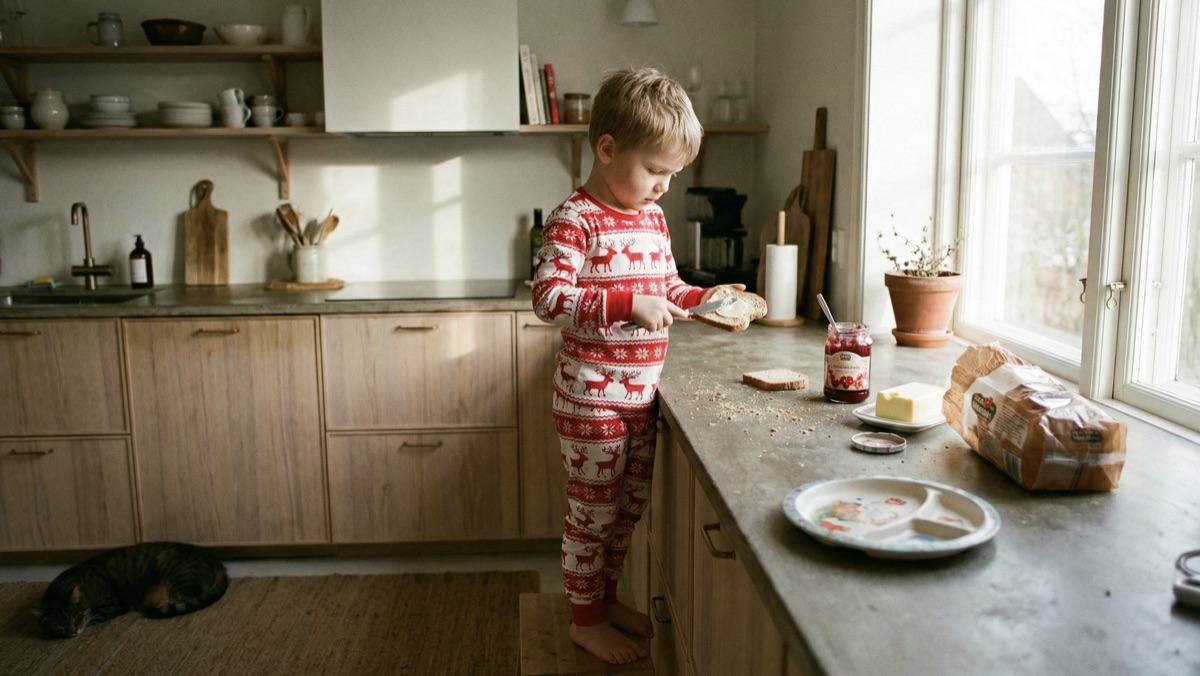
Start small, build slowly, and watch them surprise you
Why Breakfast?
Breakfast is the perfect place to start teaching independence. It happens every day, the stakes are low, and children are usually hungry enough to be motivated. In Scandinavia, kids learn to prepare their own food from a young age, and breakfast is often where it begins.
I work at a Norwegian school and I'm raising my daughter here. One thing that struck me early on is how comfortable Norwegian children are in the kitchen. This isn't an accident. It's built into their upbringing, both at home and at school.
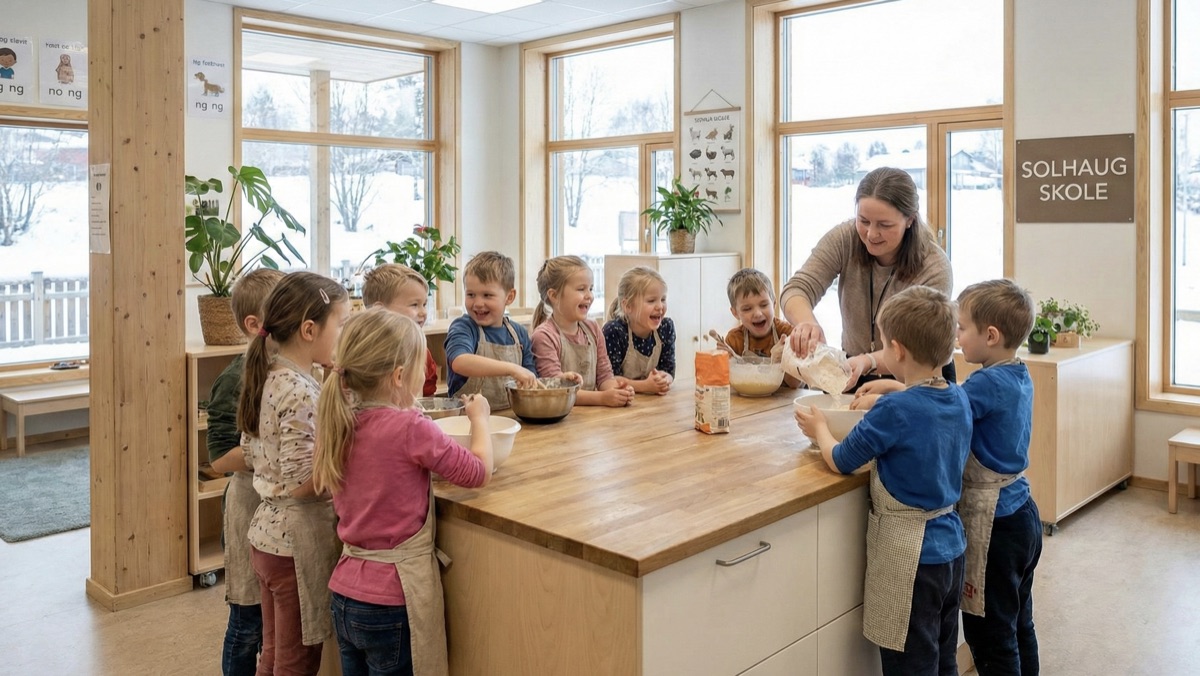
In first grade, children have a dedicated day where they learn to bake. As they move into second, third, and fourth grade, they take a subject called Food and Health where they're taught proper cooking skills, nutrition, and how to prepare full meals. By the time they're ten or eleven, many Norwegian kids can cook a complete dinner on their own. But it all starts much earlier, with simple things like breakfast.
The Toddler Years: Watching and Helping
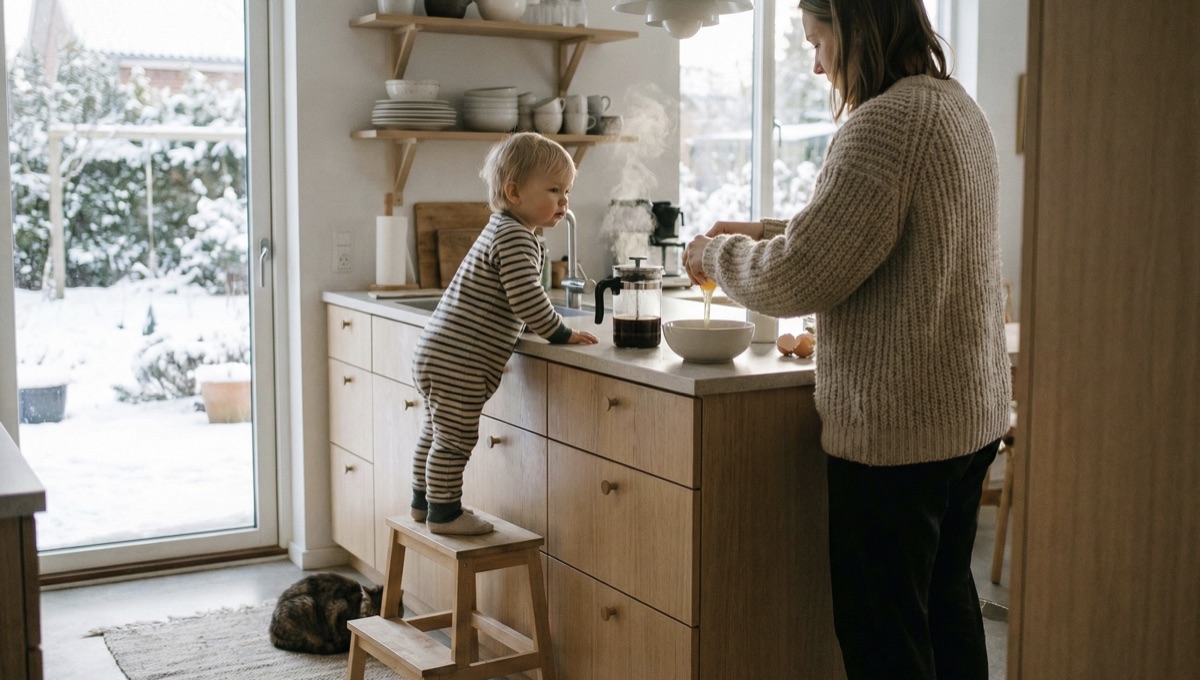
Before children can make their own breakfast, they need to watch you make it. Let them stand beside you in the kitchen. Talk through what you're doing. Hand them small tasks.
What they can do:
- Carry their plate or bowl to the table
- Put bread in a basket
- Fetch items from the fridge
- Stir something simple like yoghurt with berries
- Peel a banana
At this stage, it's not about them doing it alone. It's about them understanding that the kitchen is a place where they belong.
Around Age 4-5: Simple Independence
This is when children can start doing real tasks on their own, with you nearby.
What they can do:
- Pour milk or juice from a small jug
- Spread butter or soft cheese on bread
- Choose their own toppings from a few options
- Peel soft fruits like bananas or clementines
- Spoon yoghurt into a bowl and add toppings
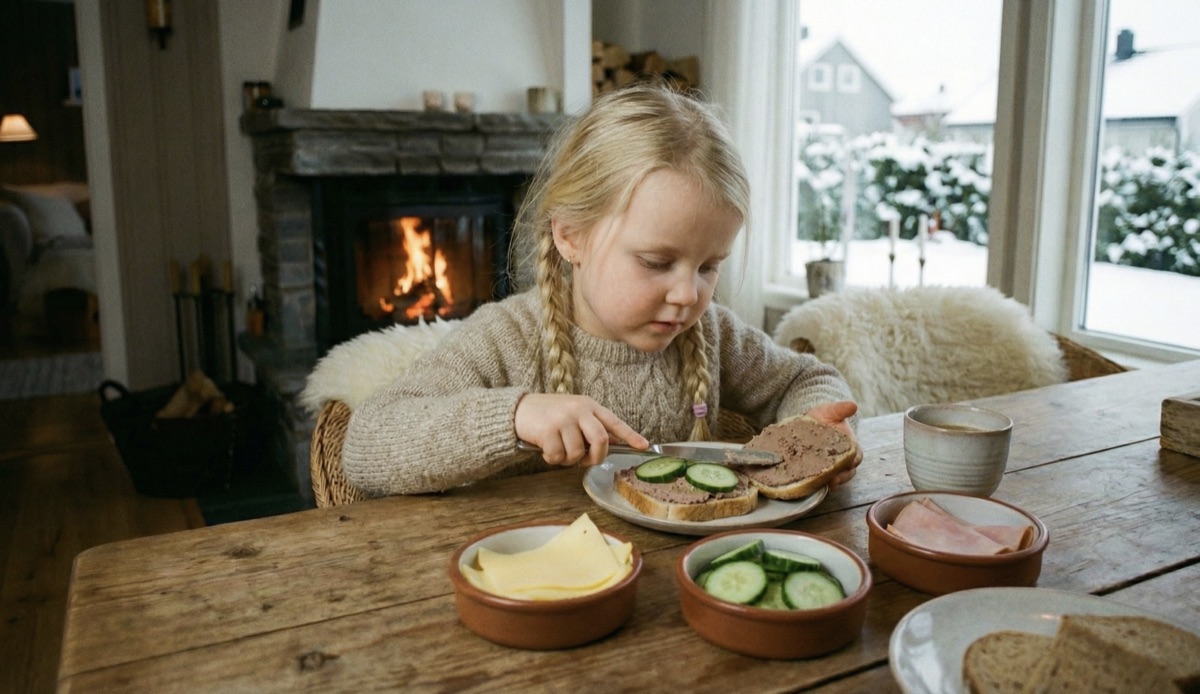
- Make open-faced sandwiches with supervision
In Norwegian homes, breakfast is often simple: bread with various toppings like cheese, ham, cucumber, or jam. This style of breakfast is perfect for young children because there's no cooking involved. Set out a few options and let them build their own plate.
The key at this age is to make everything accessible. Put what they need on a low shelf in the fridge. Use small containers they can open easily. Give them child-sized utensils that feel comfortable in their hands.
Around Age 6-7: Real Confidence
By now, children can handle most of a simple breakfast on their own. Your job is to step back and let them.
What they can do:
- Get everything they need without help
- Make their own open-faced sandwiches from start to finish
- Pour cereal and milk
- Prepare simple overnight oats the night before
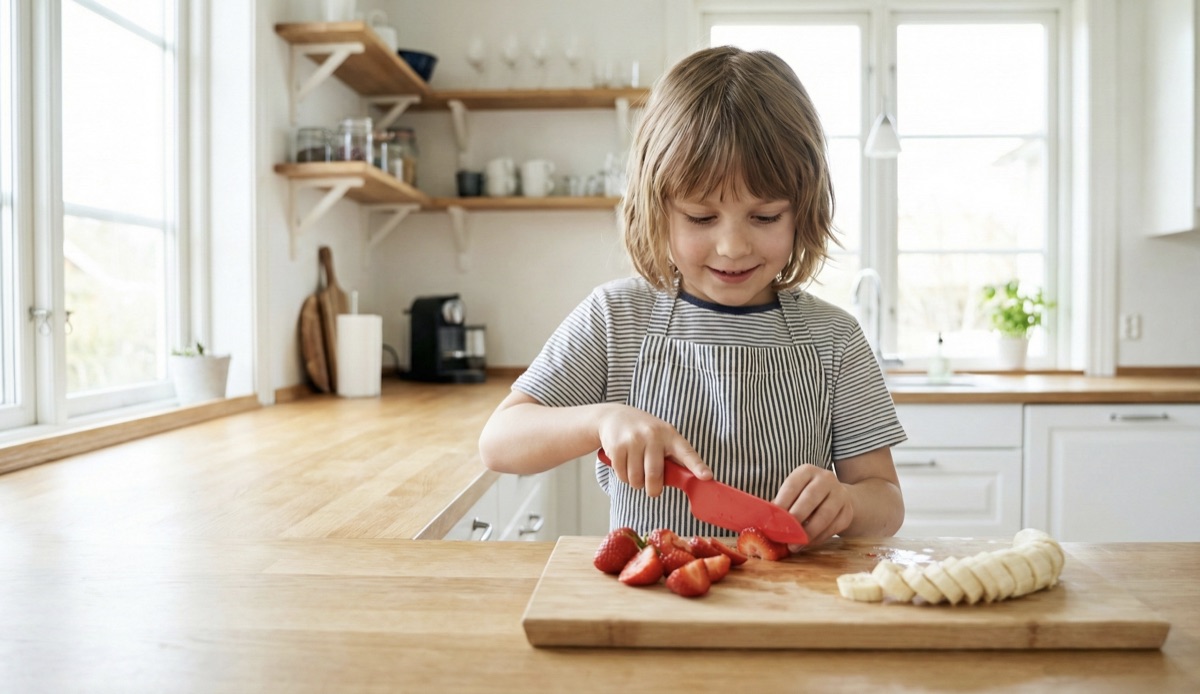
- Slice soft fruits with a child-safe knife
- Make their own porridge if you pre-measure the ingredients
- Clean up after themselves: putting dishes in the sink, wiping the table
At this age, many Norwegian children are already walking to school alone. If they can navigate streets and traffic, they can certainly manage their own breakfast. Trust them with it.
Around Age 8-10: Full Independence
This is when children can truly take over breakfast without you being involved at all.
What they can do:
- Plan what they want to eat and check if ingredients are available
- Make porridge or oatmeal on the stove
- Toast bread and use a toaster safely
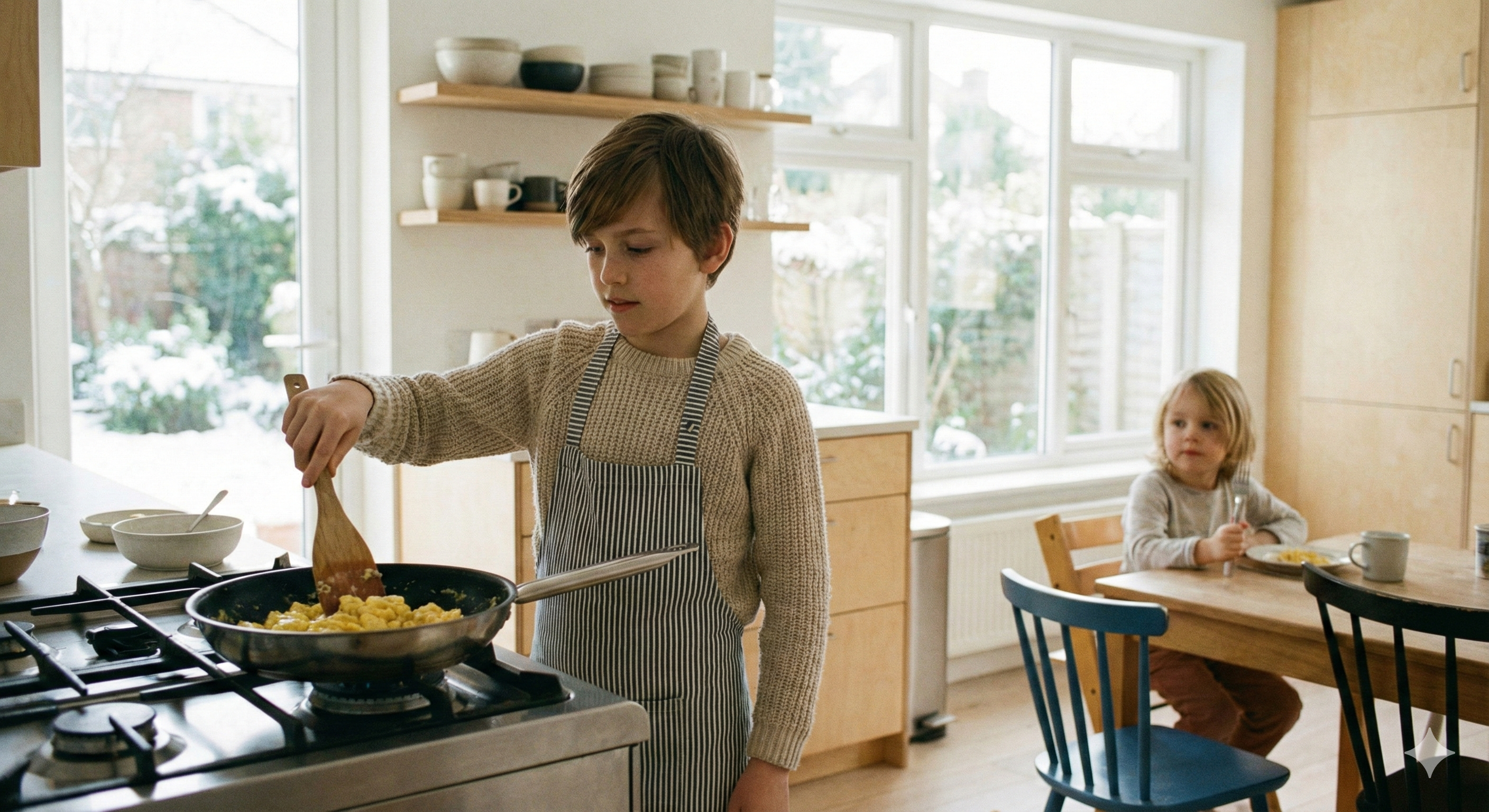
- Prepare eggs: boiled, scrambled, or fried
- Cut fruits and vegetables with a real knife
- Set the table for the whole family
- Clean up completely, including washing dishes or loading the dishwasher
By this stage, breakfast shouldn't require any help from you. Many Norwegian ten-year-olds also prepare breakfast for their younger siblings. This isn't seen as a big responsibility. It's just normal.
A Few Practical Tips
Keep it accessible. Store breakfast items where your child can reach them. Use lower shelves in the fridge and cupboards. If they have to ask you to reach something every morning, they're not truly independent.
Simplify choices. Too many options can be overwhelming. Offer a few good choices and rotate them weekly.
Accept imperfection. There will be spills. There will be messes. There will be mornings when they put jam on cheese and call it breakfast. Let it go. They're learning.
Make cleanup part of the routine. Independence isn't just about making food. It's about taking responsibility for the whole process, including cleaning up afterwards.
Step back before you think they're ready. Children usually become capable the moment we stop doing things for them. You might be surprised how quickly they rise to the challenge.